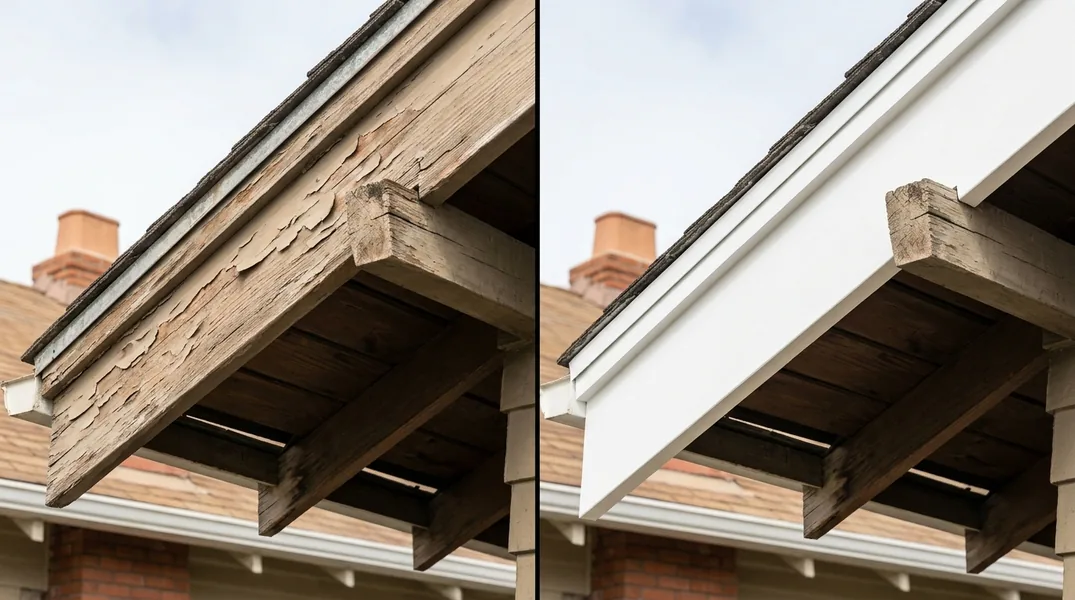
Why Spanish Revival and Craftsman Homes Need Specialized Wood Care
If you own a Spanish Revival or Craftsman bungalow in San Diego, you're the steward of architectural history. These homes, built primarily between 1900 and 1940, represent some of the most beautiful residential construction in Southern California. But their age and design create unique vulnerabilities that modern homes simply don't face.
Spanish Revival homes feature thick stucco exteriors, wooden window frames, exposed roof beams, and often decorative wood trim that catches water. Craftsman bungalows showcase exposed wood siding, deep eaves, and structural timber that was never meant to last a century without intervention. San Diego's coastal humidity and occasional heavy rains create the perfect storm for wood deterioration. Unlike newer homes built with pressure-treated lumber and modern sealants, your historic home's wood was treated with methods that have long since failed.
The honest truth: these homes require proactive maintenance. Waiting until you see obvious damage often means the problem has already spread deep into the structure. That's why understanding the specific threats to your Spanish Revival or Craftsman home isn't just about preservation, it's about protecting your investment and your family's safety.
Understanding Wood Rot and Dry Rot in Historic San Diego Homes
Wood Rot & Dry Rot Repair is the most common issue we encounter in Spanish Revival and Craftsman homes throughout San Diego. Many homeowners use these terms interchangeably, but they're actually different problems requiring different solutions.
Wet rot occurs when wood is exposed to moisture consistently. It typically affects exterior wood siding, window frames, and roof eaves where water can collect. You'll notice soft, spongy wood that may feel almost mushy when you press on it. Wet rot spreads relatively slowly but will continue to worsen as long as moisture remains. In Spanish Revival homes, wet rot often develops in the wooden frames around arched windows or where stucco has cracked and allowed water behind the surface.
Dry rot is actually more dangerous, despite its name. It occurs in wood with lower moisture content and spreads much faster through the structure. Dry rot fungi can travel through brick and concrete, meaning an infection in one area can quietly spread to completely different parts of your home. Craftsman bungalows with enclosed crawl spaces and poor ventilation are particularly vulnerable. By the time you notice dry rot, it may have already compromised structural integrity.
The key difference in treatment is that wet rot requires moisture control along with wood replacement, while dry rot demands aggressive removal and prevention of spore spread. This is why a professional assessment is critical. Misdiagnosing the type of rot can lead to incomplete repairs and recurring problems.
Wood Siding Repair: Preserving Your Home's Character
Craftsman bungalows are defined partly by their wood siding, and Spanish Revival homes often feature decorative wood trim that contributes significantly to their curb appeal. But wood siding is also your home's first line of defense against weather, and when it fails, everything behind it is at risk.
Common siding problems we see include cupping and warping (where boards curl away from the structure), paint failure (exposing bare wood to moisture), and actual rot spots that start small but expand if left untreated. Many historic homeowners try cosmetic fixes like repainting over damaged siding, but this only traps moisture and accelerates decay. Proper wood siding repair involves identifying the root cause (usually moisture intrusion or poor drainage), removing damaged boards, treating the underlying structure, and replacing with appropriate materials that match your home's historic character.
The challenge with Craftsman and Spanish Revival homes is that original siding specifications may no longer be available. We often work with specialty lumber suppliers to source materials that match the original dimensions and wood species. This attention to detail preserves your home's authenticity while ensuring the repair will last another century.
Termite Damage and Structural Threats You Can't Ignore
While wood rot gets most of the attention, Termite Damage Repair is equally critical in San Diego's climate. Subterranean termites thrive in our warm, humid environment and have likely already inspected your historic home, whether you know it or not. The difference between a minor infestation and major structural failure often comes down to early detection.
Termites don't just eat wood, they hollow it out from the inside. A beam or joist can look completely sound on the surface while being 80 percent compromised internally. This is particularly dangerous in Craftsman homes, where exposed beams are load-bearing elements. If a termite-damaged beam fails, it doesn't just affect that one area, it can trigger a cascade of structural problems.
Spanish Revival homes with their thick stucco exteriors can hide termite damage for years. The stucco conceals the wood frame and prevents you from seeing warning signs like mud tubes or sawdust. We recommend annual termite inspections for any historic home in San Diego, especially if you've never had a professional assessment. Early intervention can mean treating the problem with targeted solutions rather than major structural repairs.
Floor Joist and Subfloor Issues: When Your Home Starts to Settle Unevenly
One of the most insidious problems in aging Spanish Revival and Craftsman homes involves the foundation and substructure. Floor Joist & Subfloor Repair becomes necessary when moisture, termites, or simple age compromise the wooden structure supporting your home's floors.
You might notice sloping floors, squeaky boards, or a slightly spongy feeling when you walk across certain areas. These aren't just cosmetic annoyances, they're warning signs. In Craftsman bungalows built on concrete foundations, moisture wicking up from below can rot floor joists over decades. In Spanish Revival homes with basements or crawl spaces, poor drainage and ventilation create ideal conditions for wood deterioration.
Repairing floor joists requires careful assessment of how much damage exists and whether the joists can be reinforced or must be replaced. This work often involves temporary support systems to safely carry the weight of the home while repairs are completed. It's not a DIY project, but addressing it promptly prevents exponentially more expensive foundation and structural problems down the road.
Historic Home Maintenance in San Diego: Your Year-Round Checklist
Prevention is always cheaper than repair. Historic home maintenance in San Diego requires understanding your home's specific vulnerabilities and staying ahead of problems.
Start with your roof and gutters. These are your home's primary defense against water intrusion. Inspect gutters quarterly, especially after our rare heavy rains. Ensure downspouts direct water at least four feet away from the foundation. Check roof flashing around chimneys and where additions meet the original structure, as these are common leak points. In Craftsman homes, examine exposed eaves and soffits for signs of moisture or insect activity.
Next, focus on exterior wood. Walk around your home every few months and look for soft spots, paint failure, or areas where wood meets concrete or stucco. These transition points are where water likes to hide. Don't just look, probe gently with a screwdriver. If it penetrates more than a quarter inch, you have a problem that needs professional attention. For Spanish Revival homes, pay special attention to window frames and any areas where stucco has cracks or separation.
Finally, ensure proper ventilation and moisture control. Crawl spaces should have vents that aren't blocked. Bathrooms and kitchens need exhaust fans vented to the outside, not the attic. In basements, consider a dehumidifier during humid months. These simple steps dramatically reduce the conditions that lead to rot and termite problems.
When to Call a Professional: Wood Rot & Dry Rot Repair Near Me
You don't need to be a carpenter to maintain your historic home, but you do need to know when professional help is essential. If you notice soft wood, visible rot, termite damage, or structural movement, that's the time to call.
San Diego Carpentry specializes in wood rot and structural repairs for historic homes. We understand the specific challenges of Spanish Revival and Craftsman architecture, and we know how to repair damage while maintaining your home's historic integrity. Whether you need assessment, treatment, or full restoration, getting a free estimate is the first step. We can identify problems before they become expensive and recommend the best solutions for your specific situation.
You can reach us at (619) 815-5154 to discuss your home's needs. Many homeowners are surprised to learn that addressing wood damage early often costs far less than waiting until structural failure forces emergency repairs. Let us help you protect your investment and preserve your piece of San Diego history.
Looking for a professional carpentry contractor in San Diego? San Diego Carpentry responds fast for all your carpentry needs.
Get a Free QuoteOur services: Wood Rot & Dry Rot Repair · Termite Damage Repair · Floor Joist & Subfloor Repair